
Training Conference 2026
February 5, 2026 8:29 am
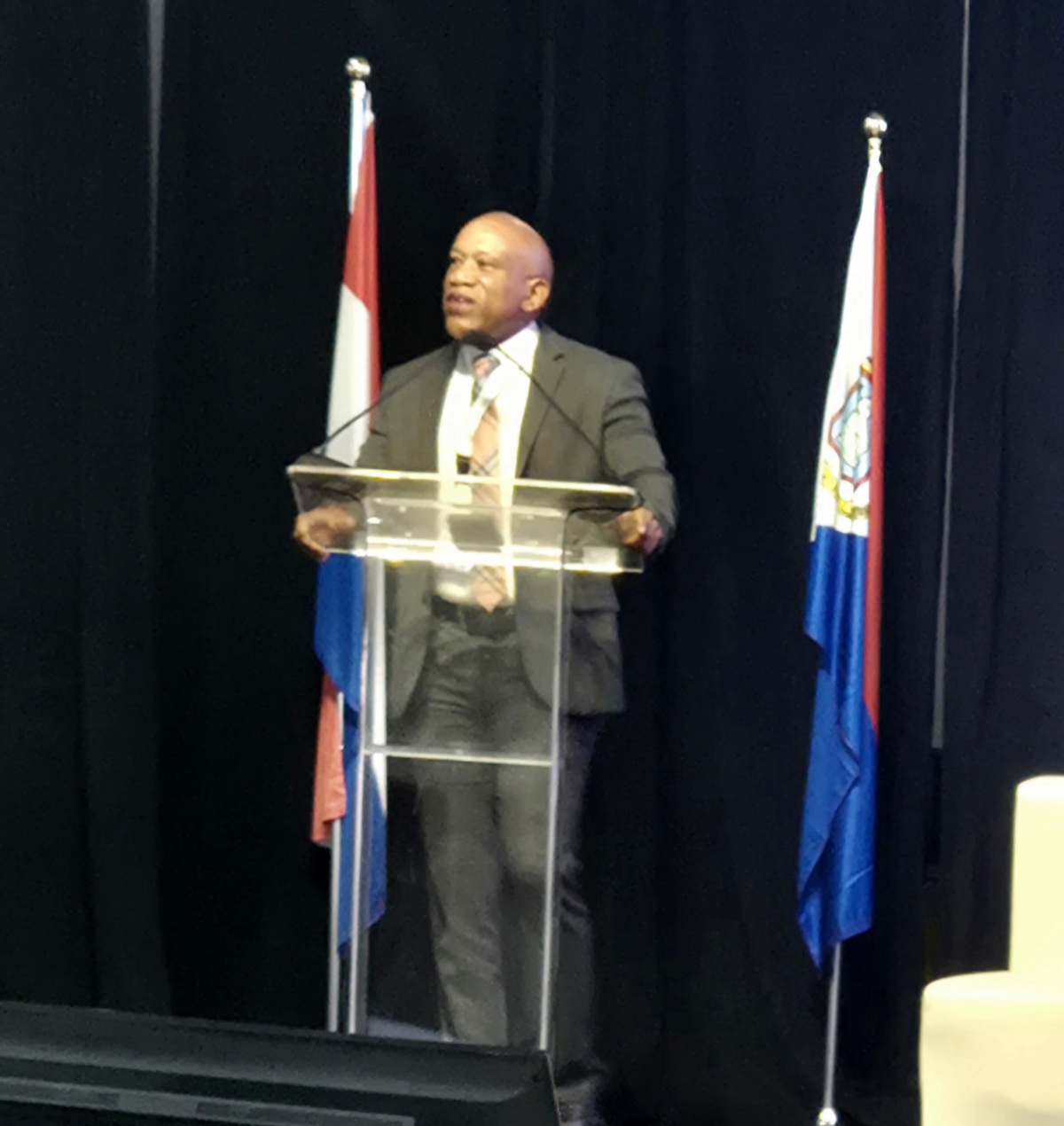
On Wednesday 28 and Thursday 29 January, police forces, chain partners, and training institutes gathered in Curaçao for the annual Training Conference. The two-day conference focused on how to organize a sustainable, professional, and regionally aligned education and development system for law enforcement.
The conference emphasized the importance of clearly identifying training needs and setting long-term priorities. On the first day, the Platform of Training Coordinators Caribbean (POC) discussed both content-related and organizational themes, including qualification dossiers, Basic Police Training (BPO), Integrated Professional Training (IBT), innovation, twinning, accreditation, and governance.
BPO refers to the foundational training program for new police officers, providing them with the essential knowledge and skills required to perform police duties. IBT is the mandatory ongoing training for serving officers, aimed at maintaining and improving operational skills such as use of force, arrest techniques, and professional readiness.
These discussions resulted in a series of decision cards, which were presented on the second day to the College of Police Chiefs (CvK) for further discussion and decision-making.
The conference demonstrated that significant progress has been made in recent years in terms of professionalism and regional cooperation. Examples include joint regional training for IBT instructors currently taking place in the Netherlands and the development of a structured approach to qualification dossiers. Sexual Offences serves as a pilot dossier, and this approach will also be applied to BPO in 2026.
Challenges remain, particularly in ensuring sustainable follow-up within the police forces. This includes decisions on joint IBT policy, regional exchange, and how to keep IBT instructors adequately trained after completing their initial education. While the decision cards led to constructive and, at times, in-depth discussions, not all items received final approval. Where agreement was not reached, it became clear what further research is needed to support decision-making.
The role of the RST within the POC is twofold. On the one hand, the RST is responsible for training and maintaining expertise within the police forces in the areas assigned to it, namely technical support, digital support, and interception. On the other hand, the RST finances specific training programs for the police forces, in line with the tasks and priorities of the embedded teams. From both roles, training activities are planned for 2026, with attention to multi-year continuity.
Using the outcomes of the conference—both the decisions taken and the discussions held—the POC will continue working on defining the multi-year training needs. Together with the training institutes, efforts will also focus on further strengthening cooperation, with a strong emphasis on long-term sustainability.