
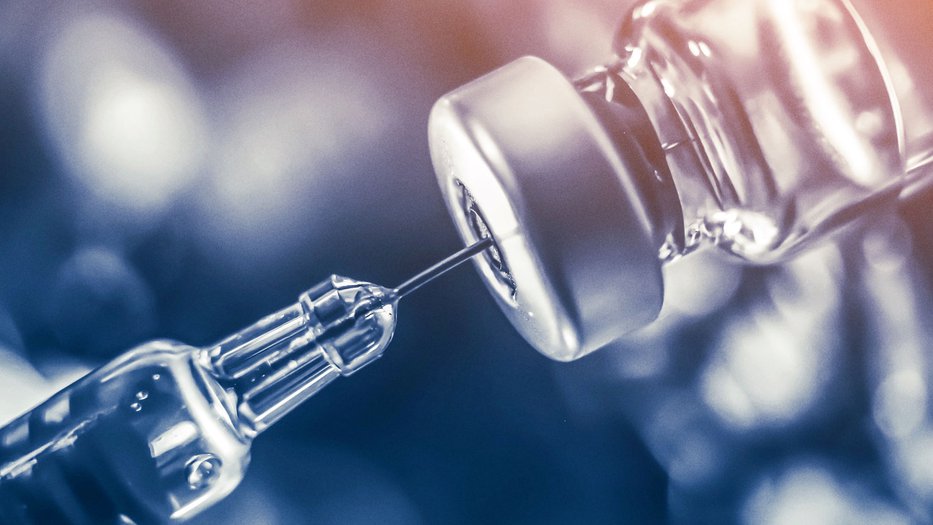
CPS calls on parents to check if child’s vaccination status is up to date
November 19, 2025 8:29 am
The Pan American Health Organization (PAHO) has called for regional action as the Americas Region has lost its verification as free from endemic measles transmission.
The decision follows the conclusion of the PAHO Measles, Rubella, and Congenital Rubella Syndrome Elimination Regional Monitoring and Re-Verification Commission, which met in Mexico City from 4 to 7 November 2025 to review the epidemiological situation across the region.
As a result, the Americas, which was the first region in the world to eliminate measles twice, has now lost its measles-free status.
As of 7 November 2025, 12,596 confirmed measles cases have been reported across ten countries (approximately 95% of the Region’s cases in Canada, Mexico and US), a 30-fold increase compared to 2024. Twenty-eight deaths have been recorded: 23 in Mexico, 3 in the United States, and 2 in Canada.
Measles is highly contagious. A single infected person can transmit it to up to 18 others. Vaccination remains the most effective means of protection.
The Collective Prevention Services (CPS), a department of the Ministry of Public Health, Social Development and Labor, is calling on guardians and parents to check the vaccine status of their child (ren) to see that they are up to date.
CPS is closely monitoring the measles situation in the Region of the Americas.
Measles can cause potentially serious illness. Symptoms of measles typically manifest between 10 and 12 days after exposure but occasionally can take up to 21 days.
Initially resembling cold-like symptoms, measles progress to include fever, respiratory symptoms, conjunctivitis, and a characteristic rash. This rash, starting on the face and behind the ears before spreading, may consist of raised, non-itchy spots that eventually evolve into blotchy patches.
Measles is contagious even before the rash appears, with a person able to spread the infection for up to four (4) days beforehand. Once the rash develops, they can still transmit the virus for another four (4) days. If a person is suspected of having measles and a healthcare professional confirms it, it's important to stay away from places like childcare, school, or work for at least four (4) days from when the rash first appears.
Resting and drinking plenty of fluids, especially water, can help alleviate symptoms and prevent dehydration.
The best way to prevent contracting measles is through vaccination. The majority of people who get measles are unvaccinated.
The two-dose MMR (measles, mumps, rubella) vaccine is a safe and effective way to prevent measles. The vaccine is available, free-of-charge, at CPS' Section Youth Health Care.
Every person regardless of their age and if they are not fully un or immunized, is therefore at risk of contracting the disease; this is especially true in those countries where persistently low immunization rates increase the risk of a large outbreak with possible tragic consequences.
Countries should achieve and/or sustain at least 95% coverage with two doses of measles-containing vaccine to prevent circulation in the event of an importation of measles.
Travelers who are not up to date with their vaccinations are at higher risk of contracting measles when in close contact with travelers from countries where the virus is still circulating.
If you have any questions about your child's vaccination status or wish to make an appointment for vaccination, please contact CPS Section Youth Healthcare at 914 or 5204163 or youthhealthcare@sintmaartengov.org
If persons decide to travel, they should also check their vaccination status and to make use of every opportunity to get vaccinated according to Sint Maarten’s National Immunization Program. vaccination schedule. Consult your physician for additional information.