
Point Blanche Prison Groundbreaking Marks Turning Point After Years of Delays
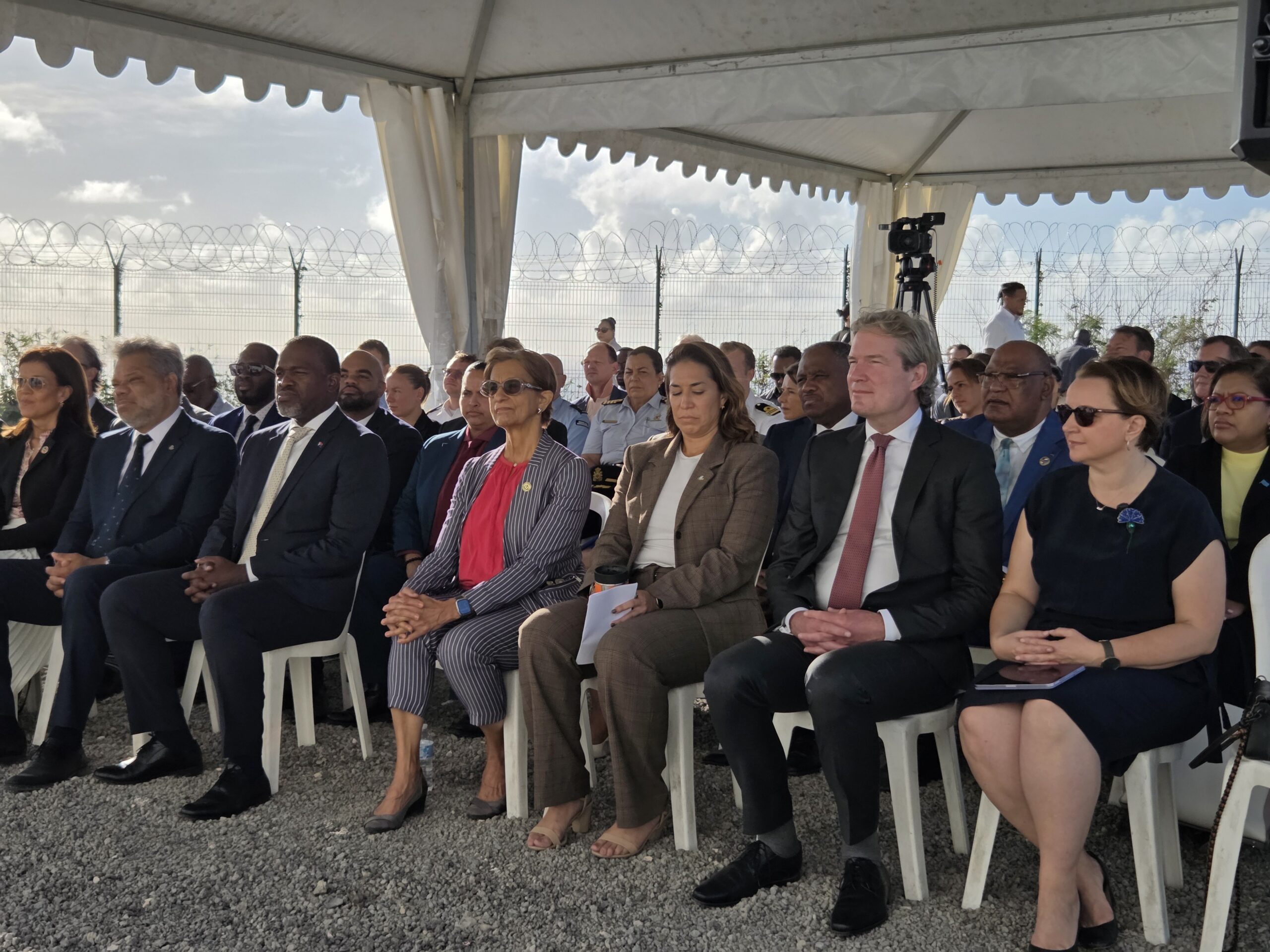
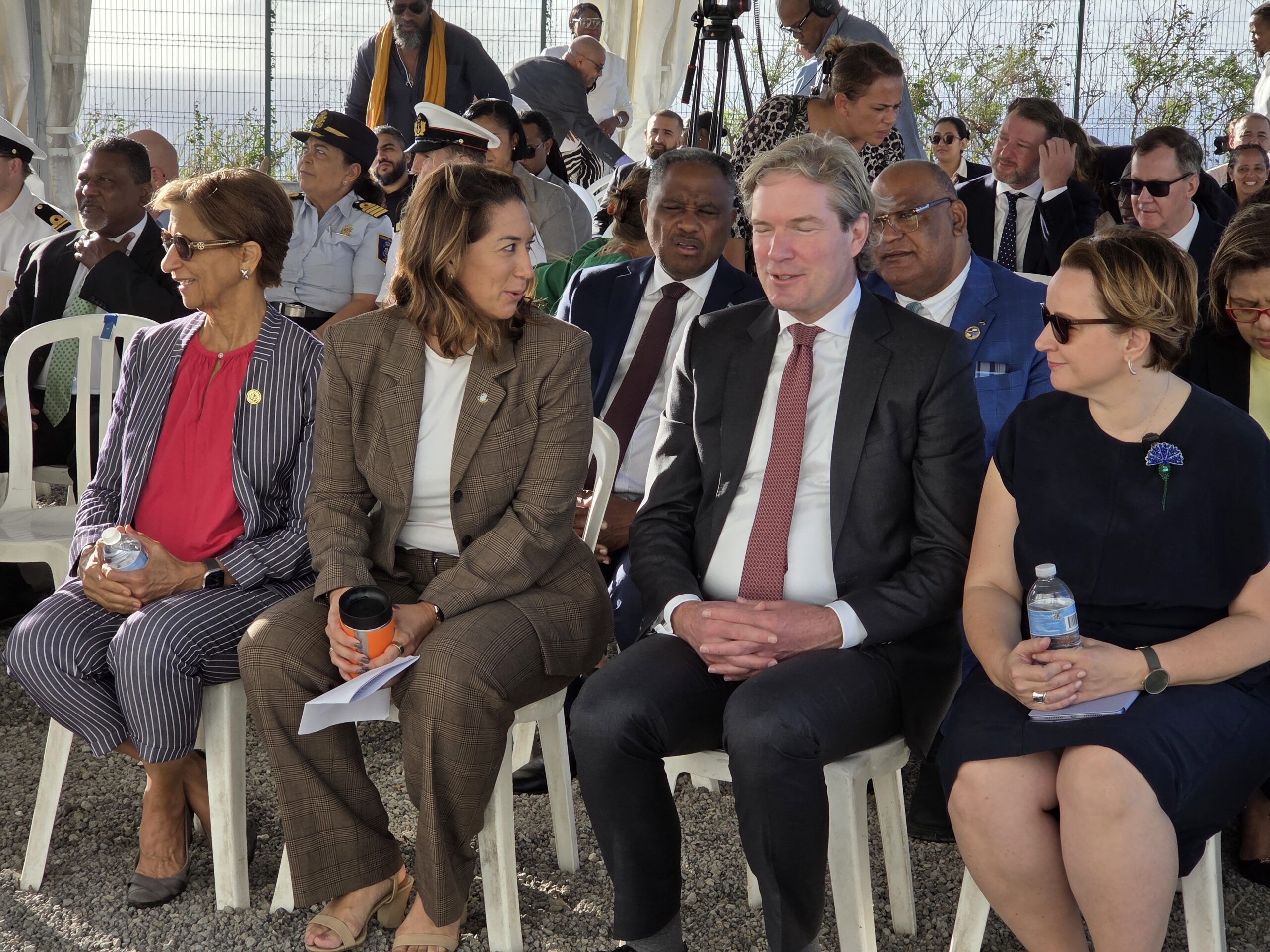
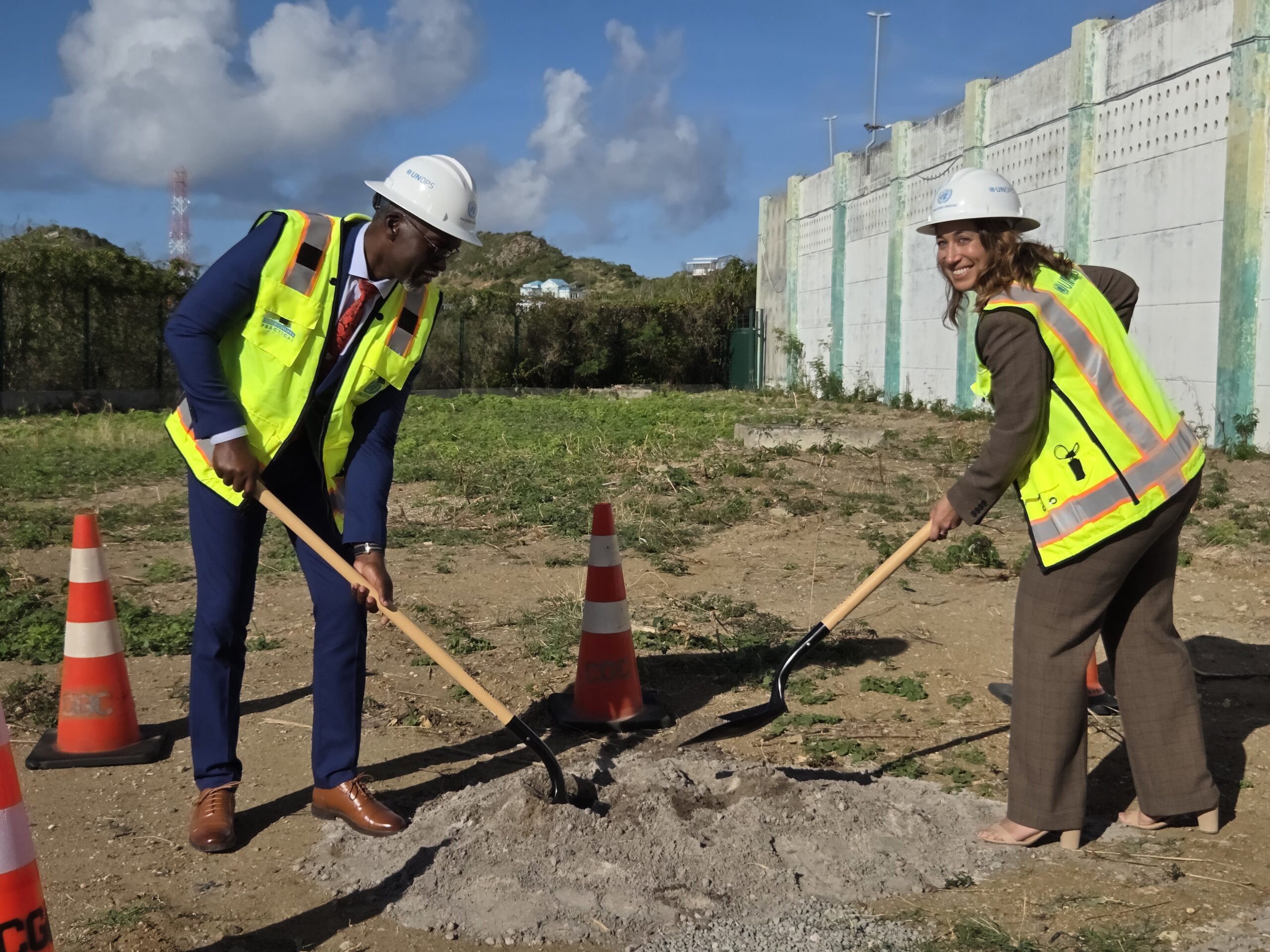
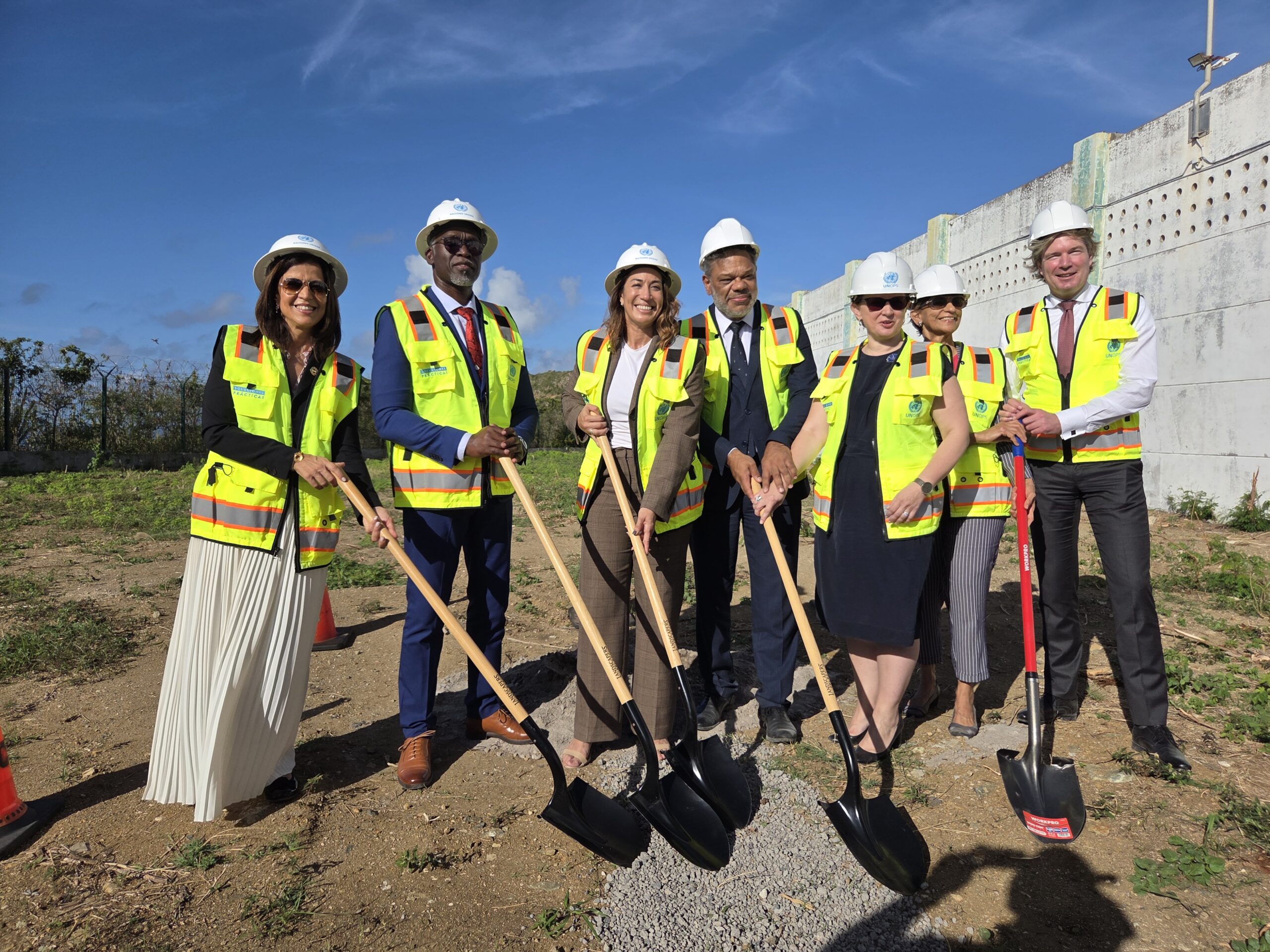
PHILIPSBURG -- The long-anticipated groundbreaking ceremony for the new Point Blanche Prison has been described as a critical turning point for Sint Maarten’s justice sector, following years of planning, criticism, and public concern over delays.
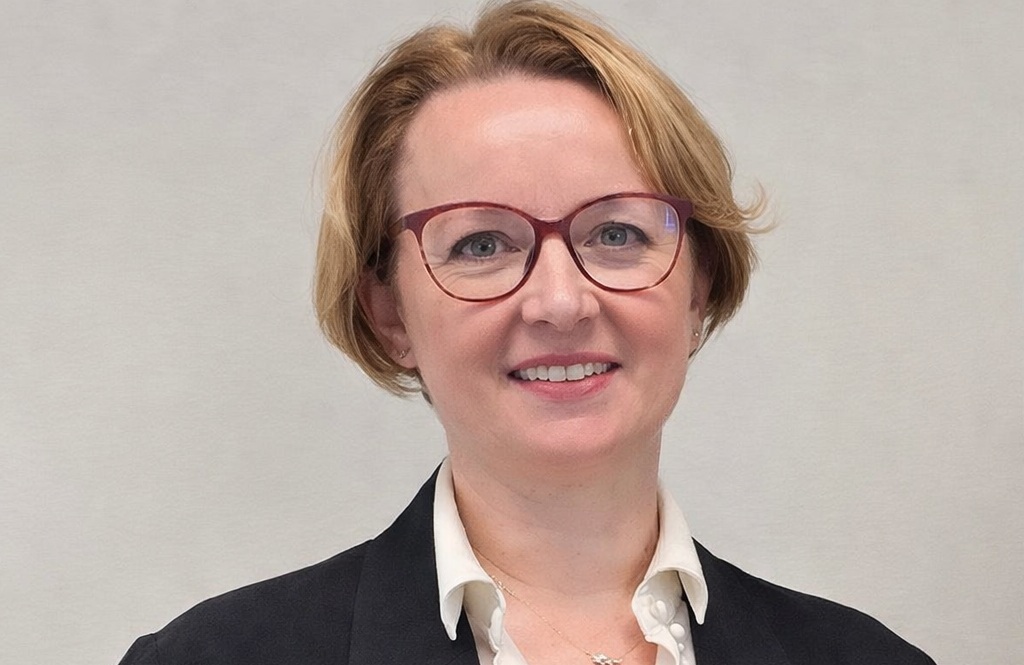
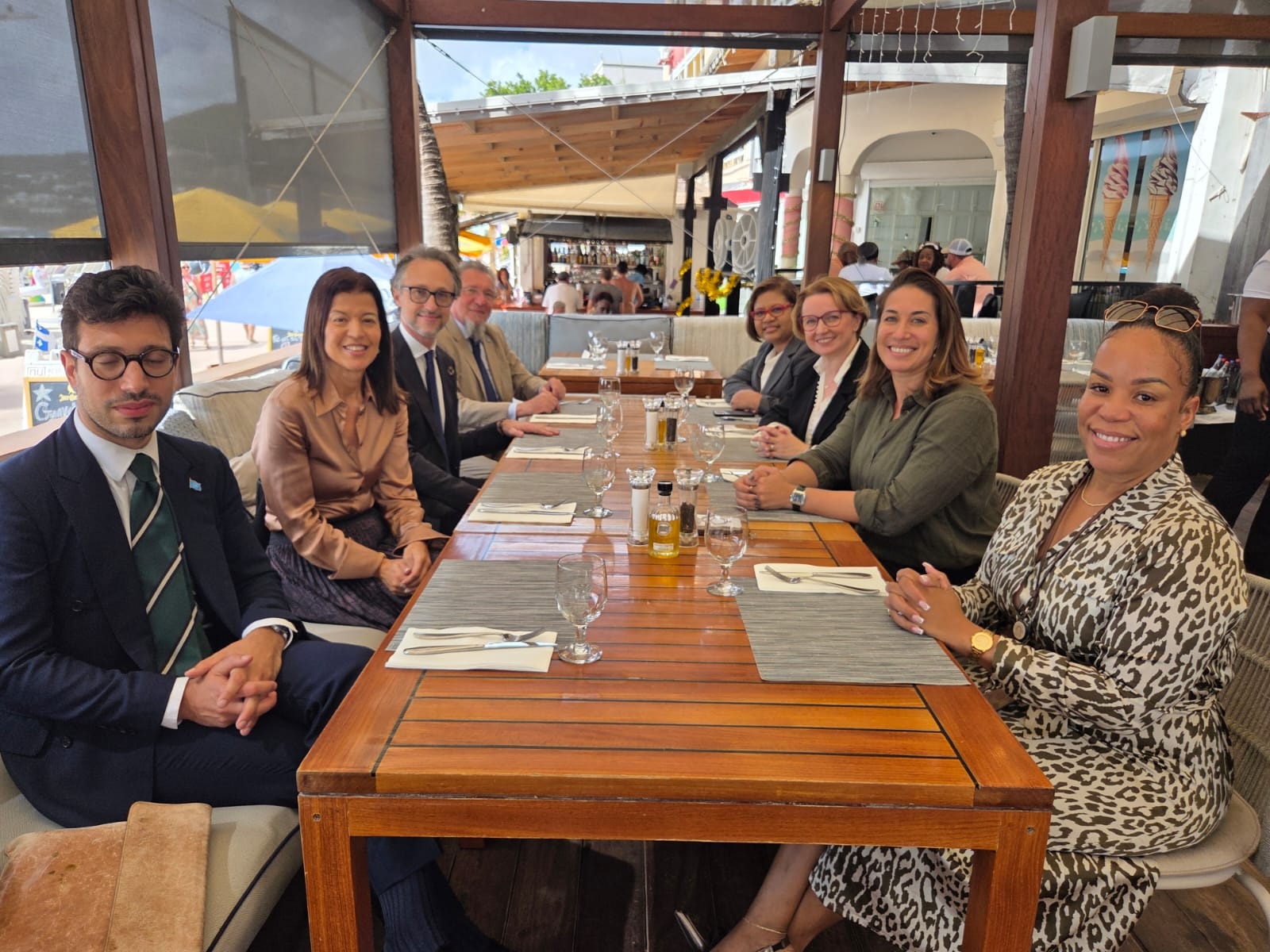
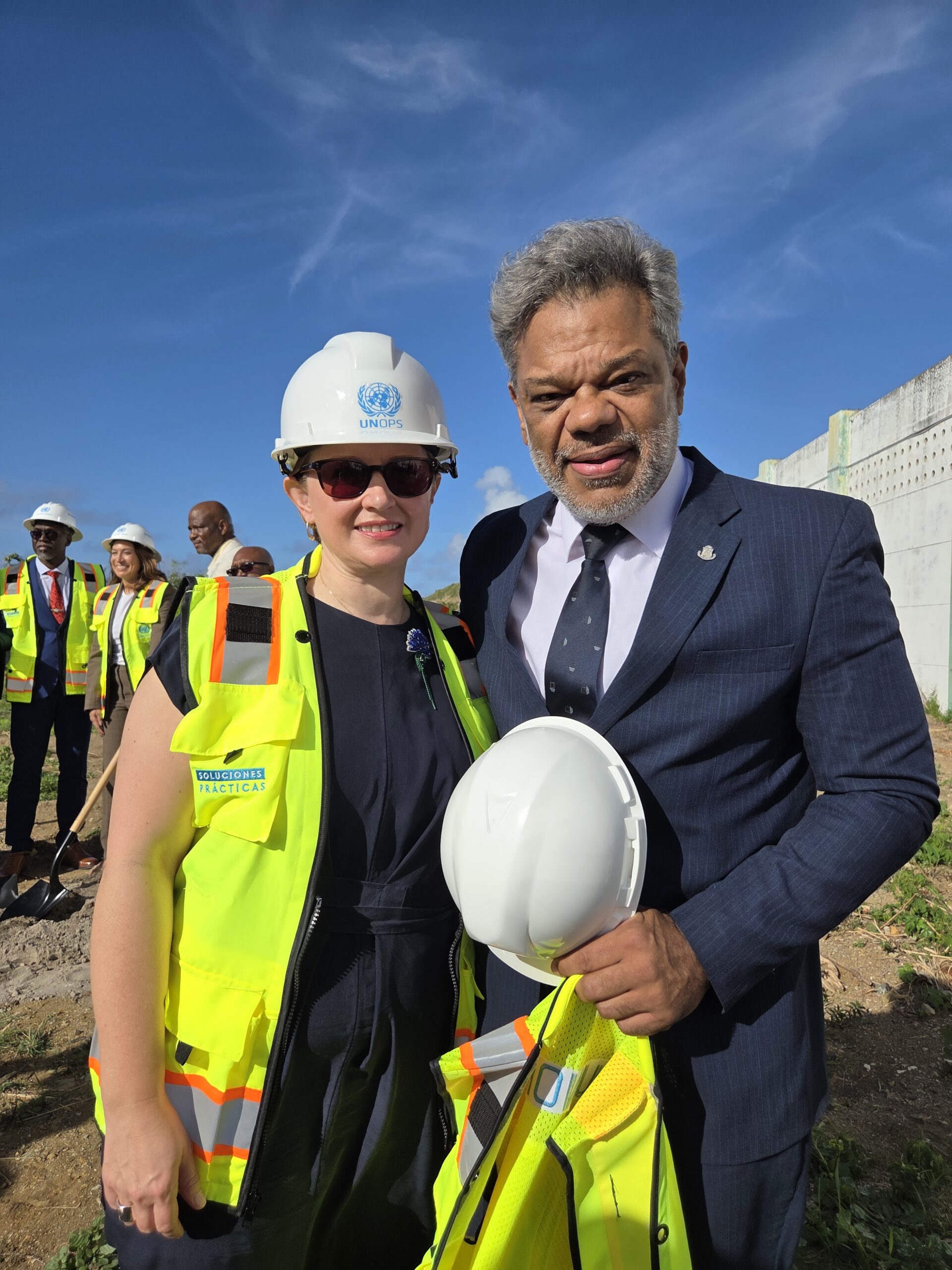
That was the message delivered this week by Joanna Kazana, the United Nations Resident Coordinator for Trinidad and Tobago, Aruba, Curaçao, Sint Maarten, and Suriname, who was on the island primarily to attend the official launch of construction works at the Pointe Blanche site.
The project is being implemented by the United Nations Office for Project Services (UNOPS), acting as the Government of Sint Maarten’s designated implementing partner for the construction of a new correctional facility intended to replace the aging and overcrowded prison that has drawn repeated criticism locally and internationally.
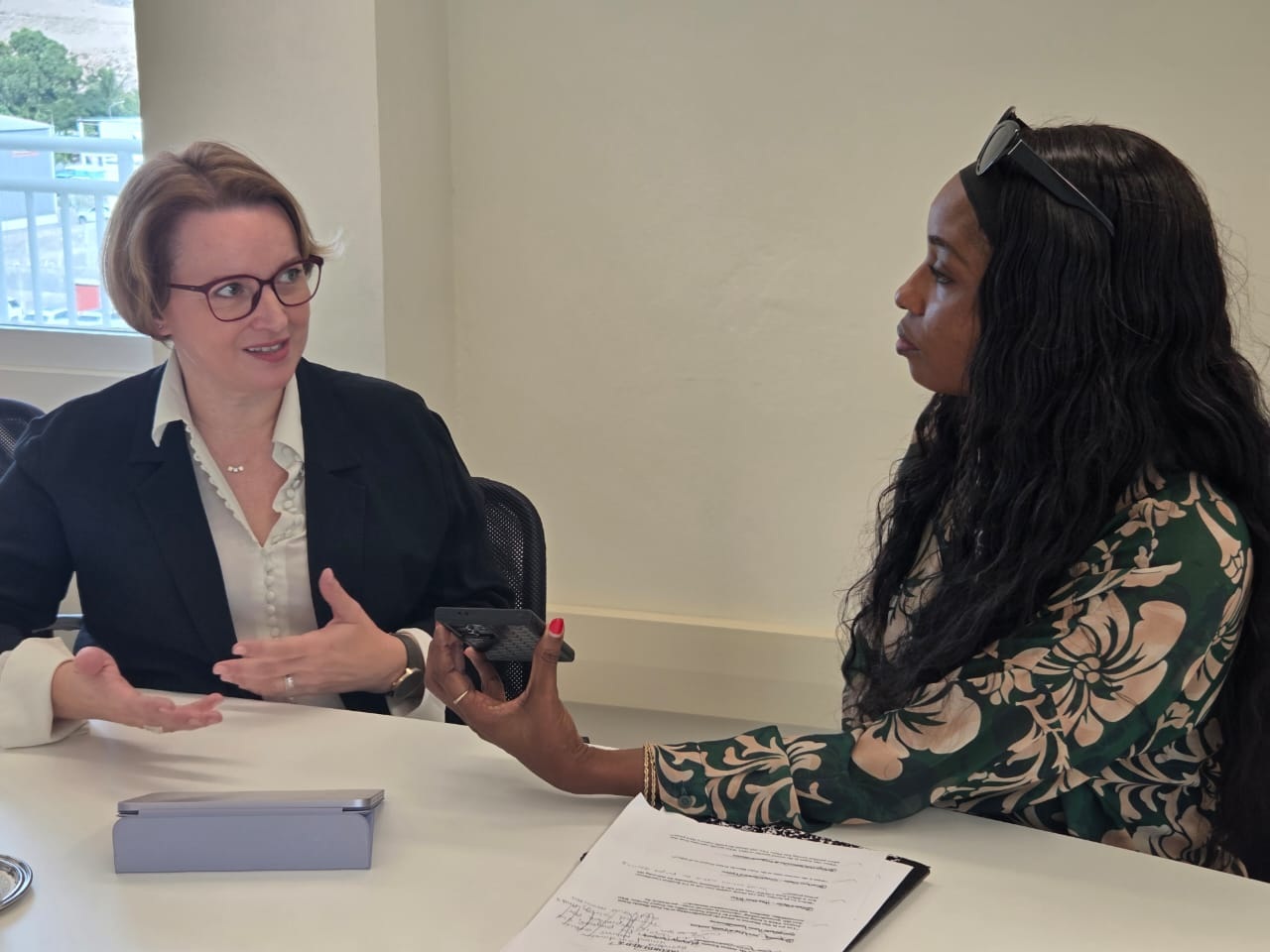
Speaking during an interview with StMaartenNews.com, Kazana emphasized that the groundbreaking should not be seen as a ceremonial event, but as the conclusion of a complex preparatory phase and the start of visible construction after years of groundwork.
“This is a very specialized and long-prepared project,” Kazana said. “The fact that we are now reaching the point where construction begins is significant. It means the design, permits, funding, and decisions that will shape this facility for decades have been put in place.”
Clarifying roles: UN, UNOPS, and Government
A recurring source of confusion for the public has been the distinction between the United Nations system, UNOPS, and the role of the Resident Coordinator. Kazana sought to clarify that separation.
As Resident Coordinator, she explained, her role is not to manage construction but to ensure that the UN system as a whole is aligned with national priorities and functions effectively on the ground. She also serves as the Secretary-General’s representative in relations with the government.
UNOPS, on the other hand, is a specialized UN agency with a mandate to implement complex infrastructure projects on behalf of governments. While the Government of Sint Maarten, through the Ministry of Justice, owns the project and sets the policy direction, UNOPS is responsible for executing delivery, procurement, and project management.
According to UNOPS, the cooperation framework formally established in December 2023 defines accountability, reporting, and oversight mechanisms, including monthly reviews of project performance and budget execution.
Current status: construction set to begin
Addressing questions about the current state of the project, UNOPS confirmed that following a completed procurement process, both the construction contractor and supervision consultant have been contracted and are mobilizing on the ground. Construction is expected to commence in the first quarter of 2026.
Kazana described the start of physical works as a milestone that signals renewed momentum. “People are counting on this,” she said. “Tomorrow you will see something growing out of the ground, and that matters.”
Phases of the project and the 2028 timeline
The Point Blanche Prison project was structured in phases, with Phase One beginning in the second quarter of 2023. UNOPS explained that Phase One focused on the design of a modern, resilient correctional facility meeting international detention standards, developed in close collaboration with then Minister of Justice, Anna Richardson, Point Blanche prison management, and experts from the Netherlands.
The successful completion of this design phase provided the technical foundation for Phase Two, which focuses on construction and operationalization. At this stage, UNOPS has stated that there is no expectation of a third construction phase, although future work may involve complementary rehabilitation programming.
Phase Two, initiated under former Minister of Justice, Lyndon Lewis, is projected to run until 2028. UNOPS estimates construction will take approximately three years, combining local labor with international expertise, and maintains that the project is currently on track to meet its timeline.
Responding to criticism and the Progress Committee
The project has not been without controversy. In its 50th report, the Progress Committee stated there had been “no progress” on the prison project since Sint Maarten attained autonomous status.
Kazana did not dismiss the criticism. Instead, she described the Progress Committee as an important accountability mechanism. “It demonstrates transparency, external scrutiny, and accountability,” she said, adding that such oversight is helpful not only for this project but for governance more broadly.
UNOPS noted that since the formal cooperation agreement was signed, tangible progress has been made, including the awarding of contracts and the January 15, 2026, groundbreaking ceremony.
Role of the current Minister of Justice
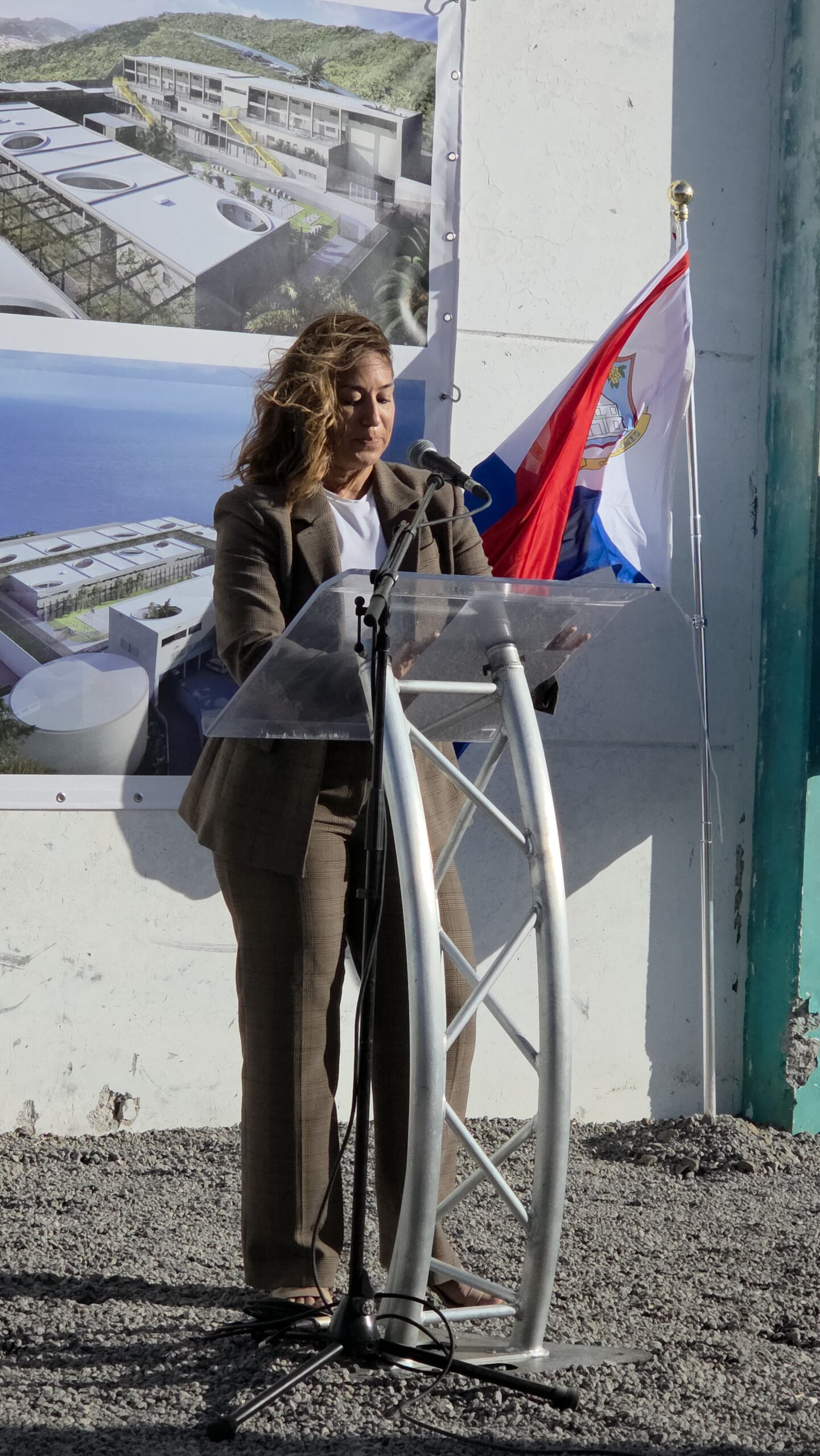
The Progress Committee also expressed optimism following the appointment of Nathalie Tackling as Minister of Justice. Kazana confirmed that cooperation with the ministry has been strong and credited leadership on the government’s side as essential to moving the project forward.
“National ownership and leadership are key ingredients for success,” she said. “We are very happy with the collaboration and look forward to expanding it beyond construction into rehabilitation and crime-prevention programmes.”
Beyond bricks and mortar
Both Kazana and UNOPS stressed that the project is not only about constructing a building, but about strengthening the justice system as a whole.
By the end of the project, Sint Maarten is expected to have a correctional facility that supports safe, humane, and rehabilitation-oriented detention conditions. UNOPS says it is also prioritizing skills transfer by working closely with local professionals, promoting local labor, and providing on-the-job training throughout implementation.
Kazana emphasized the importance of the “soft components” of justice, including rehabilitation, reintegration, and prevention of re-offending, areas where other UN agencies such as UNODC, UNDP, and UN-Women may contribute in the future.
UN engagement beyond the prison
While UNOPS confirmed that the prison is currently its only active project in Sint Maarten, Kazana highlighted broader UN engagement on the island, including health initiatives led by PAHO, disaster risk reduction programmes, biodiversity work through UNESCO, and women’s protection initiatives, including the upcoming shelter project.
She also addressed criticism that UN work is often invisible. “A lot of work is going on, but not always physically visible,” Kazana said. “We don’t host many events, but coordination, planning, and implementation are happening continuously.”
The UN Resident Coordinator’s Office publishes an annual report detailing UN activities in Sint Maarten, which Kazana encouraged the public to consult.
A test of follow-through
For many residents, the real test will be whether the Point Blanche Prison project finally delivers on its promises after years of delay.
While acknowledging past frustrations, Kazana framed the groundbreaking as evidence that the project has moved decisively from planning to implementation. “This is a moment to look forward,” she said. “The work now is to ensure that what is built truly serves justice, rehabilitation, and the future of Sint Maarten.”
Whether that promise is fulfilled by 2028 remains to be seen, but for the first time in years, heavy equipment on site suggests that progress is no longer theoretical.